Introducing the Harlem Capital Intern Yearbook
by Harlem Capital
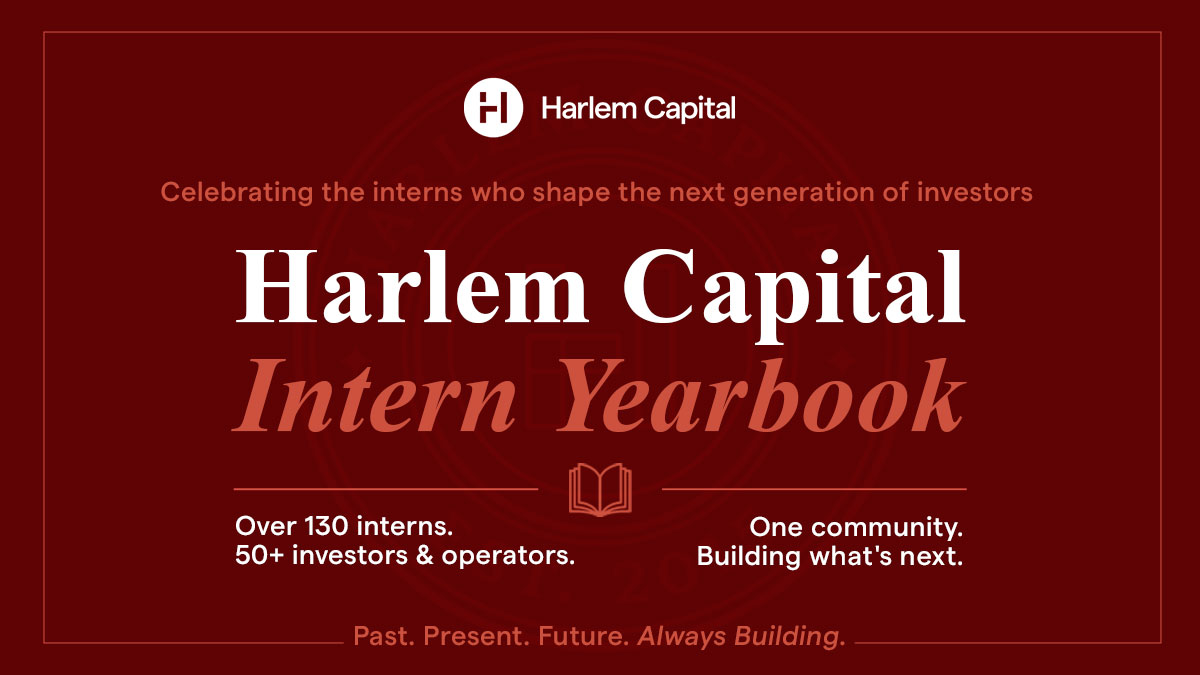
The internship program is one of the pillars of Harlem Capital that we are most proud of. We have been fortunate to work with over 130 interns, every one of them has left a mark on this firm, and they continue to do amazing things across the tech and investment landscape.
We built this program to help change what the next generation of investors looks like, and watching our alumni carry that forward is one of the most rewarding parts of the job. So we wanted to create a way to celebrate them.
Introducing the Harlem Capital Intern Yearbook. Once a month, we will catch up with an alum of the internship to hear about their experience at Harlem Capital, and what they are working on now.
This month, meet:
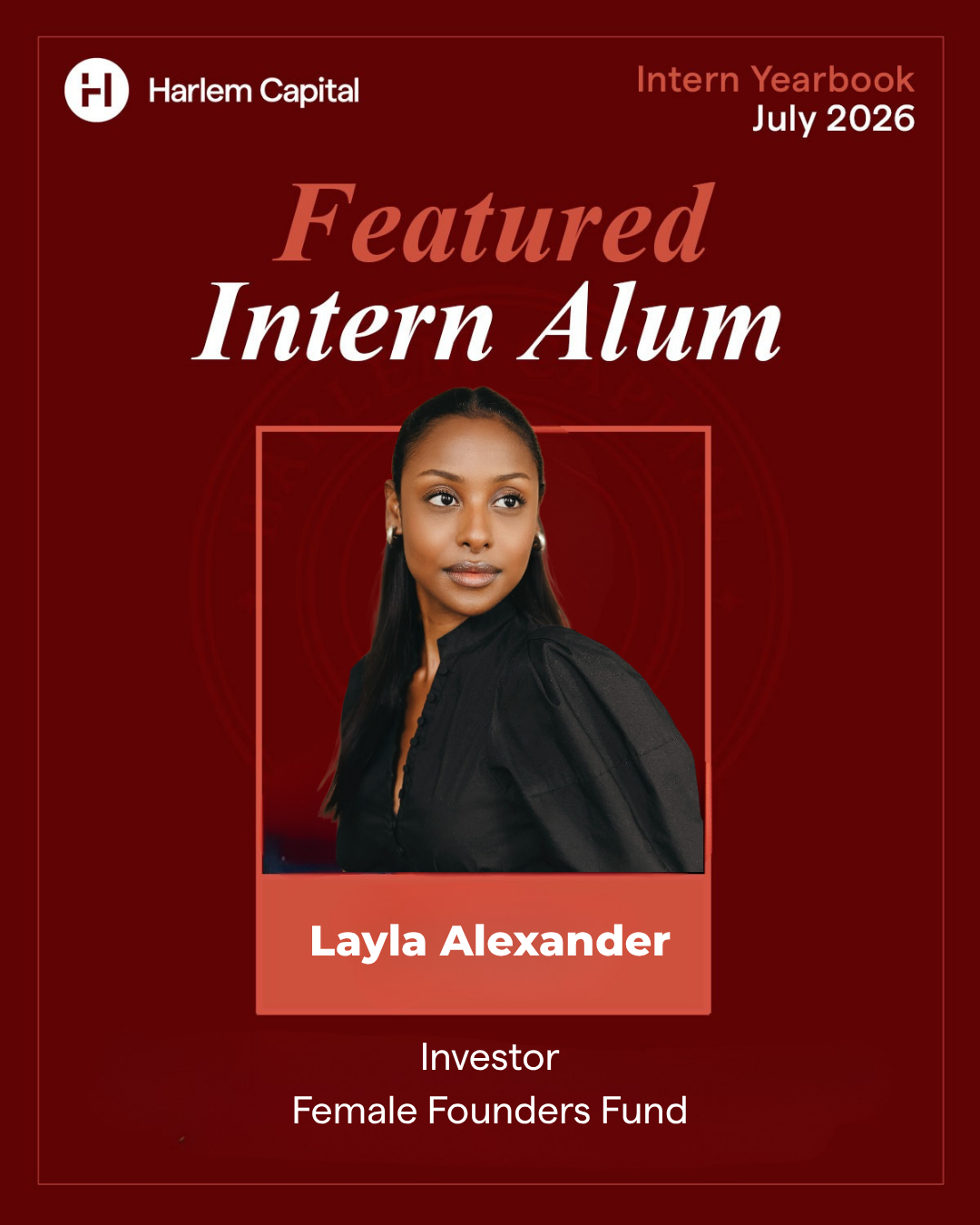
Name: Layla Alexander
Current Role: Investor at Female Founders Fund
Why did you choose to apply to the Harlem Capital internship?
My very first internship was at a VC-backed high-end retail startup. That whole summer, all anyone could talk about was the growth round they had just raised, and that is what kicked off my interest in venture. I went back to school and tried to consume as much as I could about VC, and Harlem Capital just kept coming up. What drew me in was their thesis: that underrepresented founders represent real, untapped alpha, and that overlooked perspectives translate into differentiated insights, markets, and returns. It was an idea I had been mulling over myself, so seeing a firm build an entire strategy around it — and pioneer it when no one else was focused on that demographic of founder — felt like validation that I was thinking about the market the right way. They went so far as to say being underrepresented could be a competitive edge, and I found that so compelling. They also had a ton of momentum at the time, with major institutions coming on as LPs, so it was clear the thesis was resonating. I applied three times before I got in.
How did the internship shape your career?
It was so much more than I could have anticipated. From day one we were in investment committee meetings. Week after week we got to go through the deal flow pipeline, hear how full-time investors thought through deals, and get hands-on experience conducting diligence. It was unparalleled access and exposure to how a full-time venture shop actually operates. We each got to do an intern project too, and mine was a report on e-commerce enablement tooling. I got to build a list of experts across Jarrid, Henri, Brandon, and Gabby’s networks, call them all up, and deepen my understanding of the category and white space. It gave me a huge advantage when I recruited afterward, because I had actually done the work before. I could speak to real venture workflows and real diligence processes, I knew how to ask the right questions and how to do a first look at a deal. It is ultimately what got me into venture full time.
What are you doing now?
I am an early-stage investor at Female Founders Fund where we invest in female founders at the seed and pre-seed. Beyond stage, we are very generalist, so I get to use the full toolkit I started building and honing at Harlem Capital. It is a similar thesis at its core: a category of founder the market systematically undervalues, which is exactly where the alpha is.
What excites you most about AI?
What excites me most is AI’s ability to enable and enhance offline experiences. On one side, it can capture a lot of the low-hanging fruit, the administrative and logistical work that otherwise occupies so much of people’s time. On the other, it can enhance offline experiences directly, like hyperpersonalized hospitality, dining, or live events. I think there is a huge opportunity for the online and digital world to power the offline one, and that is a thesis I’ve been particularly focused on. I also use AI across all of my workflows. I lean on the full Claude suite, including Cowork and Code, I really enjoy Granola, and I am always testing out new AI assistants like Town.
What advice do you have for aspiring VCs?
Try to do as much thematic thought work as possible. It is really easy to just ingest and regurgitate the themes you see on Twitter, Substack, or podcasts, but so much of the work of being a venture investor is sharpening your own individual perspective on things. Keep consuming material, but push yourself to form your own thesis around certain categories. Observe real-world trends and activity, like grocery costs rising, and then do the work of extrapolating from that. What might it mean for how we think about dining out, or household spend, or health and wellness? That work of extrapolation is central to being a VC, and it is not something you need premier access or specialized tooling to do.
About Harlem Capital
Harlem Capital is a venture capital firm that backs the next generation of winners. The firm partners with exceptional founders with the irrational motivation to build generational companies. All Winners Welcome.
Stay updated on Harlem Capital news by subscribing to our monthly newsletter, follow us on LinkedIn, X, and Instagram.